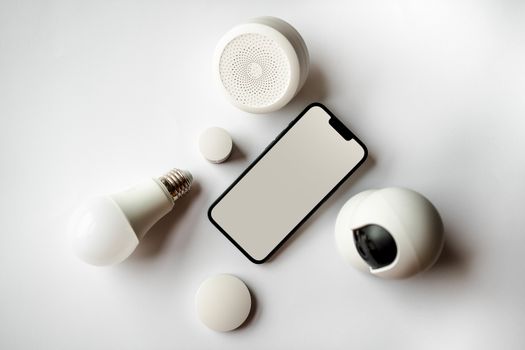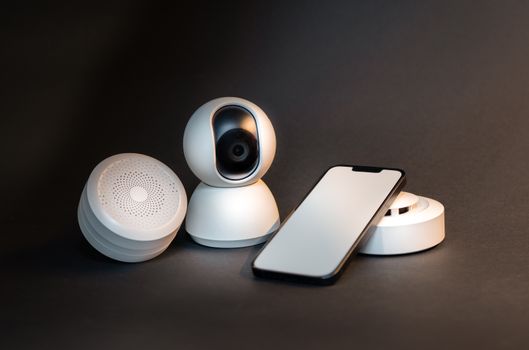
The modern home is undergoing a remarkable transformation, largely driven by the rapid pace of technological innovation. Smart home appliances—once the stuff of science fiction—are now commonplace, seamlessly integrating into our daily lives and redefining how we interact with our living spaces. From intelligent refrigerators that help manage groceries to AI-powered cleaning robots, technology is not just making our homes smarter, but also more efficient, sustainable, and secure. In this article, we’ll explore the latest innovations in smart home appliances, examine the impact these advancements are having on households, and look ahead to what the future may hold for our connected homes.
The Surge of Artificial Intelligence in Everyday Appliances
Artificial intelligence (AI) has become the backbone of many recent breakthroughs in smart home technology. According to Statista, the global smart home market is projected to reach $231 billion by 2028, with AI-driven appliances accounting for a significant portion of this growth.
AI enables appliances to learn from user behavior, anticipate needs, and optimize performance. Take, for example, smart washing machines that automatically detect fabric types and soil levels, adjusting water and detergent usage accordingly. LG’s ThinQ AI platform, for instance, allows appliances to communicate with each other, analyze usage patterns, and even suggest energy-saving cycles.
.png)
Another compelling example is the rise of AI-driven voice assistants like Amazon Alexa, Google Assistant, and Apple Siri. These platforms now power everything from lighting and climate control to kitchen appliances, allowing users to issue hands-free commands and receive real-time updates. As AI continues to evolve, we can expect even more intuitive and personalized experiences in the smart home ecosystem.
Energy Efficiency and Sustainability: Smarter Ways to Save
One of the most significant benefits of smart home appliances is their potential to promote energy efficiency and sustainability. The International Energy Agency (IEA) reports that smart technology could help households reduce energy consumption by up to 10-20% per year.
Smart thermostats, such as the Nest Learning Thermostat, analyze occupancy patterns and weather forecasts to optimize heating and cooling schedules, saving both energy and money. Meanwhile, smart refrigerators like Samsung’s Family Hub monitor contents, suggest recipes based on expiration dates, and reduce food waste—a problem responsible for nearly 30% of household food budgets in the United States.
Below is a comparison table highlighting the impact of traditional versus smart appliances on energy consumption:
| Appliance Type | Traditional Energy Use (kWh/year) | Smart Appliance Energy Use (kWh/year) | Potential Savings (%) |
|---|---|---|---|
| Refrigerator | 600 | 420 | 30% |
| Washing Machine | 150 | 105 | 30% |
| Thermostat (HVAC) | 3,500 | 2,800 | 20% |
These figures underscore not only the cost savings but also the environmental impact smart appliances can have when widely adopted. Many smart devices now come with energy monitoring features, empowering users to make more informed decisions about their consumption.
Health and Wellbeing: Creating Healthier Living Environments
The COVID-19 pandemic has heightened awareness around health and hygiene at home, spurring innovation in appliances that support wellbeing. Smart air purifiers, such as Dyson’s Pure Cool, continuously monitor indoor air quality and automatically adjust filtration levels to remove pollutants and allergens. The global air purifier market, valued at $13.9 billion in 2022, is expected to grow at a CAGR of 8.1% through 2030, driven in large part by these smart features.
Kitchen appliances are also becoming more health-conscious. For example, smart ovens can scan barcodes on packaged foods to automatically set optimal cooking times and temperatures, ensuring healthier meal preparation. Some advanced refrigerators track nutritional data and suggest balanced meal plans based on what’s inside.
Moreover, water quality monitors and smart faucets are gaining popularity, providing real-time data on water purity and helping homeowners avoid contaminants. These innovations collectively contribute to a safer and healthier home environment.
Security and Peace of Mind: Protecting What Matters Most
Safety has always been a top priority for homeowners, and smart technology is revolutionizing residential security. The adoption of smart security systems has soared, with the global smart home security market projected to surpass $78 billion by 2026 (Allied Market Research).
Today’s smart security solutions include high-definition cameras with facial recognition, motion sensors, smart locks, and even video doorbells that allow homeowners to see and communicate with visitors from anywhere in the world. Products like the Ring Video Doorbell and Arlo Pro cameras offer real-time alerts and cloud storage for recorded footage, enhancing both convenience and safety.
Smart smoke and carbon monoxide detectors are also making homes safer. Devices like Google Nest Protect not only sound alarms but also send alerts directly to smartphones, providing early warnings that can save lives. The integration of these systems with other smart appliances, such as shutting down the HVAC system in case of a fire, adds another layer of protection.
The Connected Kitchen: A Revolution in Meal Preparation
The kitchen has become a central focus for smart home innovation. Smart refrigerators, ovens, dishwashers, and even coffee machines are now equipped with Wi-Fi connectivity and app controls, making meal preparation and cleanup more efficient than ever.
For example, Whirlpool’s Smart Oven lets users preheat, adjust temperatures, and monitor cooking progress remotely via a mobile app. The June Oven takes it a step further by recognizing over 50 types of food and automatically selecting the best cooking method.
Voice integration is also changing the way we interact with kitchen appliances. According to a 2023 survey by the National Kitchen & Bath Association, over 35% of new kitchen appliance purchases included voice-activated features. This hands-free convenience allows users to set timers, control appliances, and even order groceries without lifting a finger.
Interoperability and the Future of Smart Home Living
While individual smart appliances are impressive, the true potential of smart homes lies in interoperability—the ability of devices from different manufacturers to work together seamlessly. Industry standards like Matter, launched in 2022 by the Connectivity Standards Alliance, are making it easier for devices to communicate, regardless of brand.
This means that your smart thermostat, lighting, security, and kitchen appliances can all operate in harmony, creating truly automated routines. Imagine a scenario where leaving your home triggers the thermostat to enter eco-mode, locks the doors, and activates security cameras, all without any manual input.
Looking forward, innovations such as machine learning, edge computing, and 5G connectivity promise to make smart homes even more responsive and adaptive. As of 2024, nearly 57% of U.S. households reported owning at least one smart home device (Pew Research Center), a figure expected to rise sharply as integration becomes easier and more affordable.
Shaping the Future: The Ongoing Impact of Smart Home Innovations
Smart home appliances are more than just gadgets—they’re reshaping the way we live, work, and connect with our environments. By harnessing the power of AI, promoting sustainability, enhancing health, and improving security, these innovations offer tangible benefits for households of all sizes.
As technology continues to advance, we can expect a future where our homes are not only smarter but also more attuned to our individual needs and aspirations. The journey toward fully connected living has only just begun, and the next wave of smart home innovation promises to be even more transformative.