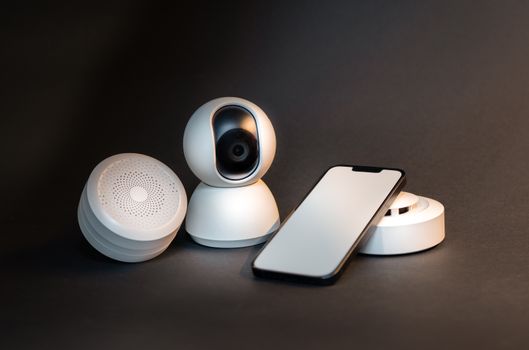
A Smarter Home: How to Choose the Best Smart Home Appliances for Your Needs
The smart home revolution is rapidly changing the way we live, work, and interact with our surroundings. In 2023, the global smart home market reached an estimated value of $113.3 billion, and it’s projected to nearly double by 2028. From smart refrigerators that help manage your groceries to intelligent thermostats that learn your habits, connected technology is now a staple in modern homes. But with countless brands, devices, and features available, how do you choose the best smart home appliances for your unique needs?
This comprehensive guide will walk you through the key factors to consider when selecting smart home appliances. Whether you’re a tech enthusiast aiming to automate every corner of your house or a busy parent seeking convenience and efficiency, understanding your priorities and comparing options will help you create a home that’s not just smart, but truly works for you.
Understanding Your Smart Home Goals and Lifestyle
Before browsing the latest gadgets, it’s crucial to define what “smart” means for your household. Not all smart homes look or function the same, and your needs will shape the devices that best fit your lifestyle.
.png)
For example, a family with children might prioritize security cameras and smart locks for peace of mind, while a frequent traveler may focus on remote monitoring and automation. According to a 2023 Statista survey, 40% of smart home device owners cited security as their top reason for adoption, while 32% focused on comfort and convenience.
Ask yourself the following: - What problems do I want to solve? (e.g., energy savings, safety, convenience) - How tech-savvy am I? (Do you want plug-and-play simplicity, or do you enjoy tinkering?) - Are there specific rooms or areas where I need smart features most? - What existing devices do I want to integrate?Creating a priority list will help you avoid impulse buys and ensure your investment aligns with your everyday needs.
The Key Features That Matter Most in Smart Appliances
Not all “smart” appliances deliver the same level of intelligence or utility. To make an informed decision, pay close attention to these essential features:
1. $1 The backbone of any smart home is connectivity. Most devices use Wi-Fi, Zigbee, Z-Wave, or Bluetooth. Check that your chosen appliance is compatible with your home’s network and other devices. For example, if you use Amazon Alexa, Google Assistant, or Apple HomeKit, ensure the appliance works with your preferred ecosystem. 2. $1 Smart appliances can help reduce your utility bills. According to the U.S. Department of Energy, smart thermostats can save up to 10% on heating and cooling costs, while ENERGY STAR-rated smart appliances use 10-50% less energy than non-certified models. 3. $1 How do you interact with the device? The best smart appliances offer intuitive controls, whether via touchscreen, mobile app, or voice command. Look for appliances that support remote monitoring and scheduling. 4. $1 Advanced models can learn your habits and automate tasks. For example, smart washing machines may detect load size and adjust cycles, while smart refrigerators can track expiration dates and suggest recipes. 5. $1 With more devices online, data security is paramount. Choose appliances from reputable brands that offer robust encryption and regular firmware updates. Always review privacy policies and consider devices that allow you to control data sharing. 6. $1 Smart appliances can notify you about maintenance needs, filter replacements, or system errors. Check the manufacturer’s warranty, support channels, and the availability of software updates.Comparing Popular Smart Home Appliances: A Data Overview
To illustrate the diversity and capabilities of today’s market, we’ve compiled a comparison of some of the most sought-after smart home appliances:
| Appliance | Key Features | Average Price Range | Popular Models | Energy Savings |
|---|---|---|---|---|
| Smart Thermostat | Remote control, learning schedules, energy reports | $100 - $250 | Nest Learning, Ecobee SmartThermostat | Up to 10% on heating/cooling |
| Smart Refrigerator | Touchscreen, inventory tracking, cameras | $1,200 - $4,000 | Samsung Family Hub, LG InstaView ThinQ | Up to 20% vs. standard models |
| Smart Washer/Dryer | Remote start, cycle optimization, maintenance alerts | $800 - $2,500 | Whirlpool WFW9620HC, GE Smart Front Load | Up to 30% water/electricity savings |
| Smart Security Camera | Motion detection, cloud storage, two-way audio | $50 - $300 | Arlo Pro 4, Ring Stick Up Cam | N/A |
| Smart Oven | Remote monitoring, recipe guidance, self-cleaning | $900 - $3,500 | GE Profile Smart Oven, June Oven | Up to 20% energy savings |
This table offers a snapshot of what you might expect in terms of features, costs, and potential savings. For most buyers, starting with a smart thermostat or security system offers the best balance of cost, convenience, and impact.
Integration: Building a Cohesive Smart Home Ecosystem
One of the greatest strengths of smart home appliances is their ability to work together. However, not all devices “speak the same language.” To avoid frustration, plan your ecosystem before making major purchases.
1. $1 Do you prefer Amazon Alexa, Google Home, or Apple HomeKit? Each platform offers unique benefits. For example, Apple HomeKit is known for privacy, while Alexa offers the broadest device compatibility. 2. $1 Using a single app or hub to manage multiple devices simplifies routines. Smart speakers, smart displays, and dedicated hubs like Samsung SmartThings can centralize control and enable complex automations. 3. $1 Imagine leaving home and having your lights turn off, thermostat adjust, and security system activate—all triggered by a single command or your phone’s location. According to Parks Associates, 38% of smart home owners use automation routines regularly, underscoring their popularity. 4. $1 Buying devices from the same brand or checking for compatibility with Matter (the new smart home standard launched in 2022) can reduce integration headaches. Matter-certified products are designed to work seamlessly across major ecosystems.Evaluating Brands, Reliability, and Long-Term Value
With hundreds of brands on the market, reliability is a major concern. A 2023 Consumer Reports survey found that 14% of smart appliance owners experienced connectivity issues, while 9% reported software glitches. Here’s how to ensure you’re investing in quality:
- $1 Stick to brands with a proven track record for updates, reliability, and customer service. Check both expert reviews and real user feedback for insights into performance and support. - $1 Look for products with at least a one-year warranty and responsive technical support. Some brands, like LG and Samsung, offer extended warranties on select smart appliances. - $1 Choose appliances that can receive over-the-air (OTA) updates. This ensures your device stays secure and gains new features over time. - $1 Factor in not just upfront price, but also ongoing costs like subscription services (cloud storage for cameras), replacement parts, and energy use. For example, running a smart refrigerator may cost $50/year in electricity, while a basic model might cost $70/year.Future-Proofing Your Smart Home Investments
Smart home technology evolves rapidly. To avoid obsolescence, consider devices that support emerging standards and offer modular features.
- $1 Matter is a universal connectivity standard, while Thread is a low-power mesh networking protocol. Devices supporting these standards are more likely to remain compatible with new products and ecosystems. - $1 Some brands offer upgrade modules or add-ons, such as additional sensors for security systems or smart shelves for refrigerators. - $1 Look for manufacturers committed to sustainability, using recyclable materials or offering take-back programs for old appliances.Remember, you don’t need to “go smart” all at once. Many homeowners start with one or two key devices and expand their ecosystem as they discover new needs.
Making the Right Choice for Your Home and Lifestyle
Choosing the best smart home appliances is about more than chasing the latest trends. It’s about finding solutions that genuinely enhance your daily life, conserve resources, and provide peace of mind. By assessing your goals, comparing features and brands, planning your ecosystem, and keeping an eye on future standards, you can build a smart home that adapts to your needs today and tomorrow.
The smartest home is one that works for you—effortlessly, securely, and sustainably.