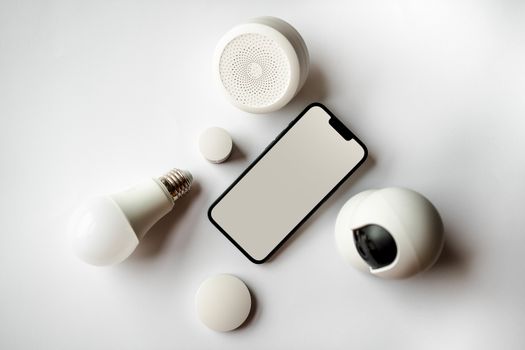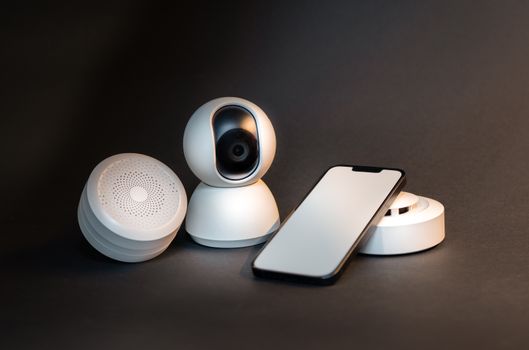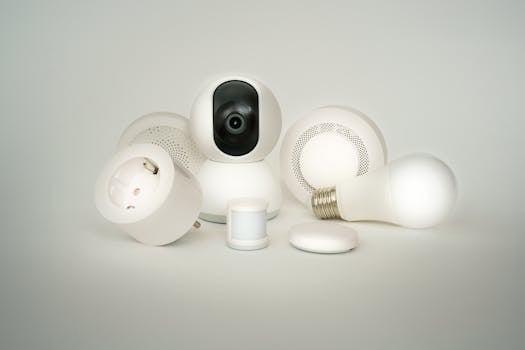
As we approach 2025, the concept of the smart home is undergoing a transformative evolution. Driven by advances in artificial intelligence, connectivity, and user-centric digital services, smart homes are moving beyond simple automation to deliver integrated, adaptive, and predictive experiences. The next generation of smart home technology is set to redefine how we interact with our living spaces, blending convenience, sustainability, and security in ways that were once the realm of science fiction.
This article explores the latest trends shaping smart homes, with a particular focus on how digital services are evolving in preparation for 2025. We’ll look at the convergence of devices and platforms, the rise of ambient intelligence, enhanced privacy measures, the growing emphasis on energy management, and the integration of health and wellness services. Let’s discover what the future holds for smart homes and the digital services that power them.
The Shift Toward Integrated Smart Home Ecosystems
In the early days of smart home technology, most devices operated in isolation. Homeowners could control smart bulbs, thermostats, or security cameras from separate apps, but true synergy was rare. As we move toward 2025, the emphasis is shifting to fully integrated smart home ecosystems.
.png)
Major tech companies are investing heavily in platforms that unify multiple devices and services under a single interface. According to Statista, the global smart home market is expected to surpass $205 billion by 2026, with integrated platforms accounting for an ever-growing share. Platforms like Apple HomeKit, Google Home, and Amazon Alexa are leading this integration, but 2025 will see even more interoperability thanks to industry-wide initiatives like Matter, the open-source connectivity standard backed by over 200 companies.
The benefits of these integrated ecosystems are clear: - Seamless control: Users can manage lighting, climate, security, and entertainment from one hub or through voice commands. - Automated routines: Devices work together based on triggers, such as turning off all lights and locking doors when leaving home. - Simplified setup: New devices can be added to the ecosystem with minimal configuration.For example, a Matter-enabled home in 2025 may allow homeowners to install a new smart lock or thermostat regardless of brand, knowing it will “just work” with their existing environment.
Ambient Intelligence: The Rise of Context-Aware Automation
A major trend in smart homes is the rise of ambient intelligence—systems that not only automate tasks but also understand context and adapt to users’ needs. This goes beyond setting schedules; it’s about homes that learn from behavior, anticipate preferences, and respond proactively.
According to a 2023 report by Gartner, over 45% of new smart home installations in North America already utilize some form of context-aware automation, and this figure is expected to reach 65% by 2025. Examples of ambient intelligence in action include: - Lighting systems that adjust brightness and color temperature based on time of day, natural light levels, and user activity. - Heating and cooling that adapts to occupancy patterns, weather forecasts, and even individual comfort profiles. - Entertainment systems that suggest music or TV shows based on who is present and recent usage history.The key enabler of ambient intelligence is AI-driven data analysis, which allows smart homes to recognize routines, detect anomalies, and offer personalized experiences. For example, a 2025 smart home might use AI to detect when residents are returning from work, preheat the oven, and set the preferred lighting scene—all without manual intervention.
Privacy and Security: Evolving Standards for a Connected World
As digital services in smart homes become more sophisticated, privacy and security concerns are becoming even more pressing. In 2022, the Consumer Technology Association found that 63% of American consumers were concerned about smart home data privacy, a number projected to rise as more devices enter homes.
The industry’s response is multifaceted: - Local data processing: More devices now process sensitive information (like voice commands or video feeds) locally, without sending data to the cloud. - End-to-end encryption: Communication between devices and platforms is increasingly secured with robust encryption standards, reducing the risk of interception. - Transparent data policies: Many smart home service providers are updating their privacy policies to clearly state what data is collected, how it’s used, and how users can control it.By 2025, regulatory frameworks such as the European Union’s Digital Markets Act (DMA) are likely to influence global standards, requiring more transparency and user control. Consumers will also see more granular privacy settings, allowing them to choose what data is shared and with whom.
Energy Management and Sustainability in Smart Homes
Sustainability is a defining issue for the coming decade, and smart homes are increasingly viewed as a key lever for reducing environmental impact. Digital services are evolving to provide advanced energy management tools, helping homeowners monitor and control energy use more effectively.
The numbers are compelling: According to the International Energy Agency (IEA), smart thermostats and connected appliances can reduce household energy consumption by up to 15%. In countries like Germany and the Netherlands, utilities are partnering with smart home service providers to offer dynamic pricing and demand response programs, where appliances automatically shift usage to off-peak times.
Let’s compare some of the leading energy management features in the following table:
| Feature | 2022 Adoption (%) | Projected 2025 Adoption (%) | Example Providers |
|---|---|---|---|
| Smart Thermostats | 35% | 52% | Nest, Ecobee, Tado |
| Automated Lighting Control | 28% | 47% | Philips Hue, Lutron |
| Real-Time Energy Monitoring | 18% | 38% | Sense, Schneider Electric |
| Dynamic Pricing Integration | 10% | 32% | OhmConnect, EnergyHub |
Beyond cost savings, these tools help reduce carbon footprints and support grid stability. In 2025, expect to see more smart homes equipped with solar panels, battery storage, and electric vehicle chargers managed by unified digital dashboards.
Health and Wellness: The Smart Home as a Personal Care Hub
The COVID-19 pandemic accelerated demand for health-related digital services, and smart homes are now at the center of this trend. By 2025, it’s estimated that over 26% of smart home devices will offer health and wellness features, up from just 12% in 2021 (source: IDC).
Smart home health integrations include: - Indoor air quality sensors that monitor and adjust humidity, CO2, and particulate levels. - Smart beds and wearables that track sleep quality, movement, and vital signs. - Kitchen appliances that provide nutritional guidance or remind users to hydrate. - Voice-activated emergency response systems for elderly or vulnerable residents.These services are increasingly connected to telehealth platforms, enabling remote monitoring and consultations. For example, a senior living alone could have daily wellness check-ins automatically shared with a healthcare provider, improving safety and peace of mind for families.
Personalization and the Future of Digital Services in Smart Homes
Looking ahead, personalization is set to become the defining feature of smart home digital services. Rather than “one size fits all” automation, homes will adapt to the unique rhythms and preferences of their residents.
AI-driven recommendation engines, similar to those used by Netflix or Spotify, will curate personalized experiences—from lighting “moods” to energy-saving routines and wellness reminders. Contextual awareness will ensure that guest preferences are respected, while machine learning will minimize repetitive manual adjustments.
For example, a 2025 smart home might recognize a child’s bedtime routine, automatically dimming lights, adjusting temperature, and playing a favorite lullaby. Over time, the system will learn and refine these routines, offering greater convenience and comfort.
Shaping the Future: What to Expect from Smart Homes in 2025
The rapid evolution of digital services is making smart homes more intuitive, secure, and sustainable than ever before. Integration, ambient intelligence, robust privacy measures, energy management, and health-focused solutions are all converging to create truly adaptive living environments.
As the smart home industry continues to grow—projected to reach over 400 million connected homes globally by 2025—consumers can expect even more innovative features, increased interoperability, and greater control over their digital lives. Whether you’re a tech enthusiast or a casual user, the smart home of 2025 promises to deliver comfort, savings, and peace of mind like never before.