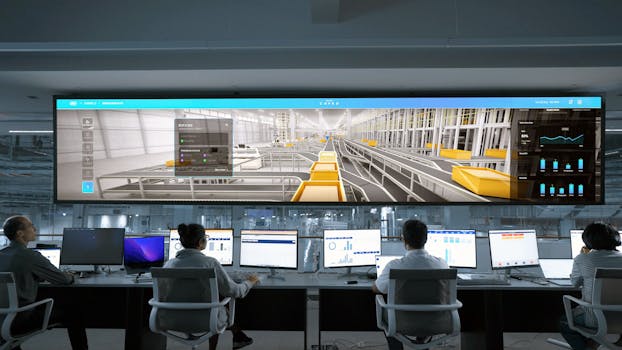
In the contemporary competitive landscape, businesses that harness modern technology effectively are more likely to thrive. The integration of advanced technologies not only streamlines operations but also provides significant advantages in terms of scalability, efficiency, and security. Here’s how businesses can embrace these technologies to refine their operations and stay ahead in their industries:
- Automation and AI:
Automation, powered by Artificial Intelligence (AI) and Robotic Process Automation (RPA), transforms business processes by increasing efficiency, reducing errors, and liberating human resources for more complex tasks. AI applications, like chatbots, automate customer service, providing quick responses and enhancing customer engagement. Similarly, RPA can automate repetitive tasks across various departments, from HR to finance, ensuring accuracy and consistency.
- Data Analytics:
Data is a goldmine for businesses seeking to understand market dynamics, customer preferences, and operational bottlenecks. Advanced data analytics tools and machine learning algorithms analyze this data to provide actionable insights, predict trends, and facilitate data-driven decision-making. This capability is crucial for tailoring marketing efforts, enhancing customer experiences, and optimizing overall business performance.
.png)
- Cloud Computing:
The scalability and flexibility offered by cloud computing are invaluable. Businesses can scale resources up or down based on demand without the need for heavy upfront capital investment in physical infrastructure. Cloud solutions also promote collaboration by allowing seamless data sharing and access across locations, enhancing productivity and supporting a mobile workforce.
- Cybersecurity:
As digital footprints expand, so do cyber threats. It’s paramount for businesses to invest in robust cybersecurity measures to protect sensitive data and maintain consumer trust. This involves deploying advanced security technologies like encryption, firewalls, and anti-malware systems, and continuously updating them to guard against emerging threats.
- Internet of Things (IoT):
IoT technology fosters enhanced connectivity and real-time data collection across various business assets. In sectors like manufacturing, IoT devices monitor systems and anticipate maintenance needs, reducing downtime and operational costs. In retail, IoT enhances inventory management and customer experience by integrating smart sensors and analytics to track product movements and shopper behaviors.
- Blockchain:
Known for its security and transparency, blockchain technology is particularly beneficial in managing supply chains and conducting secure transactions. Its decentralized nature ensures that records are immutable and transparent, ideal for industries requiring high levels of traceability such as pharmaceuticals and food safety.
- Mobile Solutions:
Mobile technology is crucial for modern businesses, enabling remote work and on-the-fly access to business applications. Mobile apps improve customer interaction and employee connectivity, ensuring that business operations can continue smoothly regardless of geographical boundaries.
Implementation and Skill Development: To leverage these technological advancements, businesses must assess their specific needs and potential ROI. Implementing these technologies requires a skilled workforce knowledgeable in modern tools and strategies. Therefore, ongoing training and development are crucial to equip staff with the necessary skills to navigate and optimize these technologies effectively.
By incorporating these technologies, businesses can significantly enhance their operational efficiency, agility, and competitiveness. The key to success lies in choosing the right technologies that align with specific business goals and continuously evolving with technological advancements to stay relevant and efficient in a dynamic market environment.