The Internet of Things (IoT) is revolutionizing the way we manage and interact with our domestic environments through smart homes. These advanced systems not only offer increased convenience and efficiency but also pose new challenges and considerations for homeowners.
What are Smart Homes?
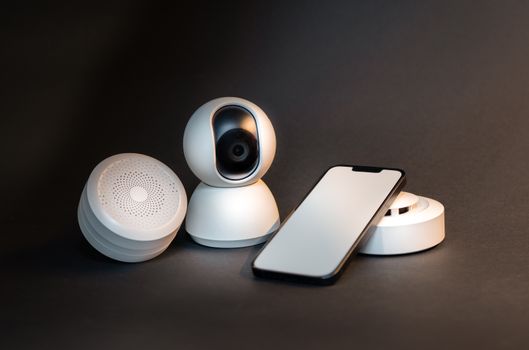
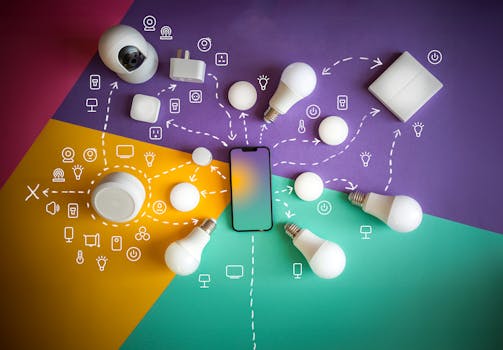
Smart homes utilize IoT technology to connect various home devices and appliances to the internet, allowing them to communicate and be managed remotely or automatically. This includes systems like lighting, HVAC (heating, ventilation, and air conditioning), security, and even kitchen appliances. The integration aims to enhance homeowner convenience, increase energy efficiency, and improve home security.
.png)
Benefits of IoT in Smart Homes
IoT enables the automation of daily tasks. For example, smart thermostats can adjust themselves based on your schedule and preferences, optimizing home temperature for comfort and energy efficiency. Smart lighting systems can detect occupancy in rooms, adjusting lights accordingly to save energy.
Remote Control
IoT devices can be controlled remotely via smartphones or tablets, providing homeowners with the ability to manage their homes from any location. This is especially useful for security systems, allowing homeowners to monitor their property remotely and receive alerts of any unusual activity.
Efficiency and Insights
Smart devices analyze usage patterns and provide insights that can lead to cost savings. For instance, an IoT-enabled water heater can suggest optimal usage times to reduce electricity bills. Smart meters provide real-time data on energy consumption, encouraging more mindful usage.
Implications of IoT in Smart Homes
Security and Privacy
With the convenience of IoT comes the risk of data breaches and security vulnerabilities. It's vital for devices to have strong security protocols in place, and for homeowners to be educated on how to secure their personal networks against potential threats.
Dependence on Internet Connectivity
IoT devices rely heavily on a stable internet connection. Disruptions in connectivity can impair the functionality of critical systems, such as security alarms or emergency response features.
Compatibility Issues
The IoT ecosystem comprises numerous manufacturers and platforms, potentially leading to compatibility issues between different devices. Homeowners might find themselves restricted to specific brands or may need additional hubs or apps to manage all their devices effectively.
Conclusion
The integration of IoT into smart homes presents a blend of significant benefits and notable challenges. While they offer unprecedented control and efficiency, they also require careful consideration regarding security, connectivity, and system compatibility. As IoT technology evolves, ongoing improvements in these areas are essential for maximizing the benefits and minimizing the risks associated with smart homes. The future of smart homes looks promising, with continuous advancements expected to further enhance the way we live and interact with our home environments.