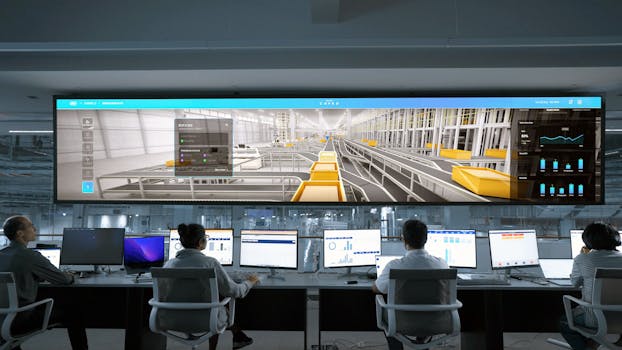
As we progress further into the 21st century, the impact of automation on the workforce continues to garner significant attention. Automation, which involves using technology to perform tasks with minimal human intervention, is reshaping not just individual roles but the entire landscape of work. This transformation presents both exciting opportunities and formidable challenges.
Increased Productivity and Efficiency
One of the foremost benefits of automation is its ability to enhance productivity and efficiency. Machines excel at handling repetitive and monotonous tasks with speed and precision unmatched by human workers. For instance, in the manufacturing sector, robots can assemble products quicker and more accurately, boosting production rates and reducing error margins, thus improving the overall quality of products.
.png)
Enhanced Safety in Work Environments
Automation also promotes safer work conditions, particularly in dangerous industries such as chemical manufacturing or construction. By delegating high-risk tasks to machines, businesses can significantly reduce the incidence of workplace injuries, which also leads to lower costs related to health insurance and workers' compensation.
Challenges of Job Displacement
Despite these benefits, automation poses serious challenges, chiefly the risk of job displacement. As technology evolves, machines are increasingly capable of performing complex tasks, leading to concerns about them replacing human workers. A report by McKinsey & Company suggests that by 2030, up to 30% of global workers could be displaced by automation, potentially leading to higher unemployment rates and widening economic disparities.
Sector-Specific Impacts
The effects of automation vary across different industries. While sectors like manufacturing see extensive automation use, creative industries experience less impact because these roles often require creativity and emotional intelligence, attributes that machines have yet to fully replicate.
Strategies for Mitigation
To counteract the negative impacts of automation, proactive measures by policymakers and business leaders are essential. Investing in education and training programs to equip workers with skills needed in a technologically advanced world is crucial. There's a growing demand for proficiency in data analysis, machine learning, and robotics.
Additionally, rethinking the nature of work itself is necessary. As automation takes over routine tasks, more emphasis will likely be placed on jobs that require human interaction, creativity, and strategic thinking, possibly leading to the emergence of new job categories.
Policy Innovations
Implementing policies such as universal basic income (UBI) could provide a safety net for those displaced by automation. Various global trials of UBI offer insights into how societies might adapt to automation-related challenges.
Looking Ahead
While automation brings substantial challenges, it also offers opportunities to boost productivity and create safer working environments. The future workforce will likely involve a collaborative relationship between humans and machines, combining their respective strengths. By preparing adequately through strategic education, training, and innovative policies, we can leverage the advantages of automation while minimizing its disruptive effects. This balanced approach is crucial for navigating the future of work in an era marked by rapid technological advancements.